

High-Quality Horticulture LED Lights from Trusted Supplier
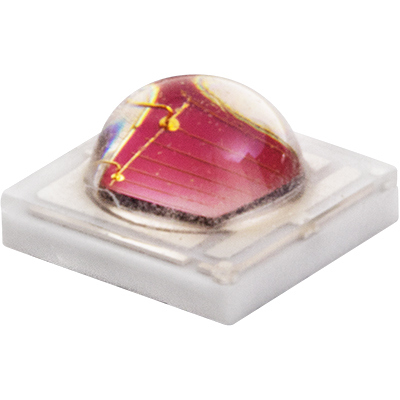
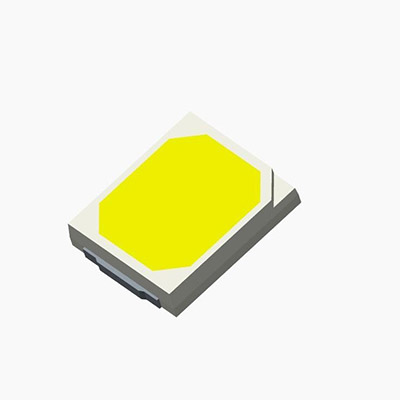
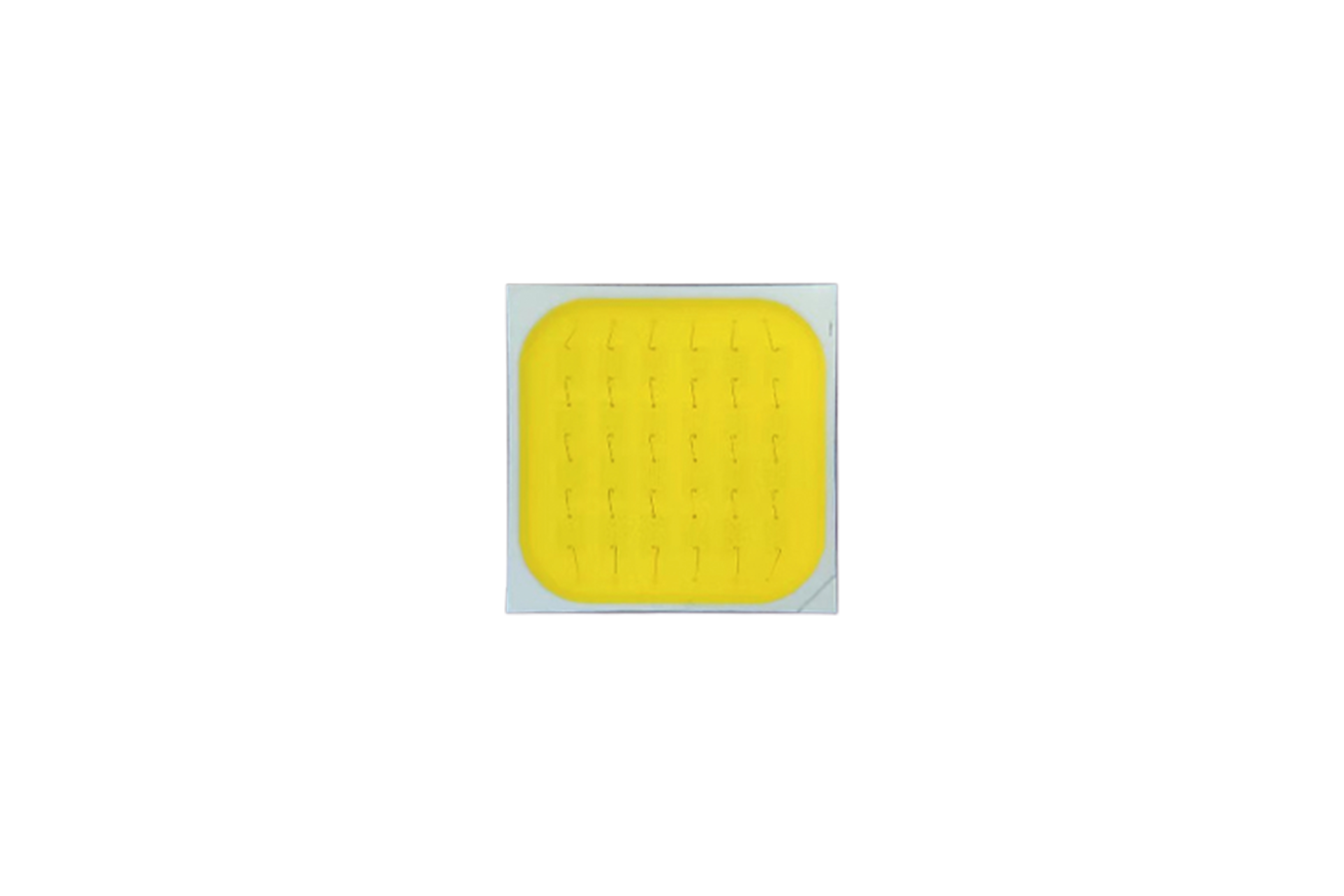
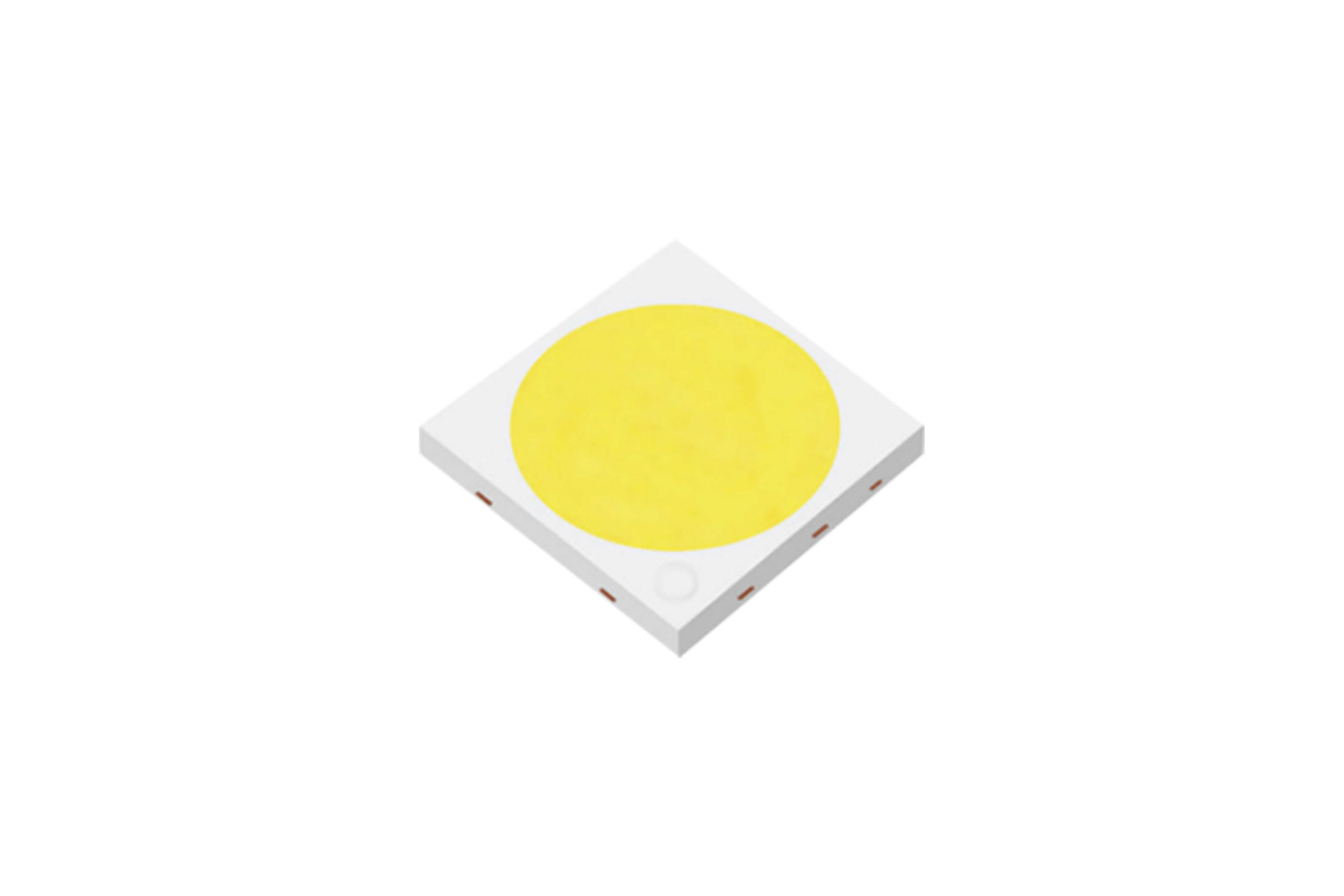
When it comes to horticulture, nothing beats the efficiency of Horticulture LED lights. I know firsthand how crucial it is to choose **high-quality** products, especially when it comes to nurturing plants and boosting growth. Our Horticulture LEDs are designed to provide optimal light spectra, promoting photosynthesis and enhancing plant health. As a reliable **supplier**, I take pride in providing robust and energy-efficient solutions that cater to commercial growers and hobbyists alike. I’ve seen how investing in premium lighting can transform a growing operation, yielding better crops and maximizing profits. It’s not just about brightness; it’s about creating the best environment for your plants. With our Horticulture LEDs, you’ll experience lower energy costs and longer lifespans than traditional lighting. Don’t settle for less when it comes to your horticultural needs—choose a lighting solution that supports your growth journey. Reach out today to elevate your cultivation experience!
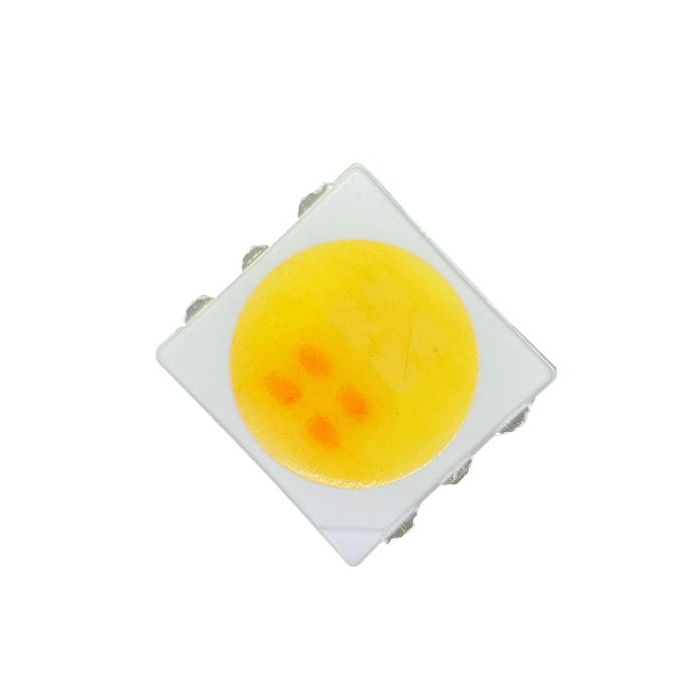

Horticulture Led in 2025 Now Trending
In 2025, the horticulture industry is experiencing a remarkable transformation driven by advancements in LED technology. As sustainability becomes a cornerstone of modern farming practices, growers are increasingly turning to energy-efficient lighting solutions that enhance plant growth while reducing environmental impact. LED lights are not only more energy-efficient compared to traditional lighting methods, but they also provide targeted wavelengths that optimize photosynthesis, leading to healthier plants and higher yields. This shift is making LED horticultural solutions a vital component in greenhouses and indoor farms worldwide. Emerging trends indicate a growing preference for smart lighting systems that integrate seamlessly with automated farming techniques. These systems allow for real-time monitoring and adjustments to light intensity and spectrum, catering precisely to the unique needs of various plant species. Global procurement managers should take note of the innovation that these intelligent systems bring to the table, as they not only streamline operations but also significantly reduce energy costs. As the demand for locally sourced produce rises, investing in advanced horticultural LED technologies is quickly becoming a strategic priority for growers aiming to maintain competitiveness in the global market. Furthermore, the escalating focus on reducing carbon footprints and ensuring food security is propelling the adoption of LED technology in horticulture. Buyers around the world should recognize the opportunity to partner with suppliers who prioritize sustainability and innovation. Emphasizing eco-friendly practices will not only meet consumer expectations but also position businesses at the forefront of a rapidly evolving industry. Staying ahead of these trends will be paramount for any organization looking to thrive in the horticulture sector as we move deeper into the decade.
Horticulture Led in 2025 Now Trending
| Trend | Description | Impact | Region | Projected Growth (%) |
|---|---|---|---|---|
| Vertical Farming | Innovative farming method using stacked layers to grow plants. | Reduces land use and increases yield. | North America | 25% |
| Organic Farming | Farming without synthetic fertilizers and pesticides. | Increases consumer demand for healthy produce. | Europe | 30% |
| Hydroponics | Growing plants in nutrient solutions without soil. | Utilizes less water and increases growth rates. | Asia | 20% |
| AgriTech Innovations | Integration of technology in farming practices. | Improves efficiency and productivity. | Global | 15% |
| Drones in Agriculture | Use of drones for monitoring crops and precision farming. | Enhances crop monitoring and reduces labor costs. | Australia | 18% |
Related Products
Horticulture Led Is The Best Your End-to-End Solution
Top Selling Products
- Related Blog
- Reviews
